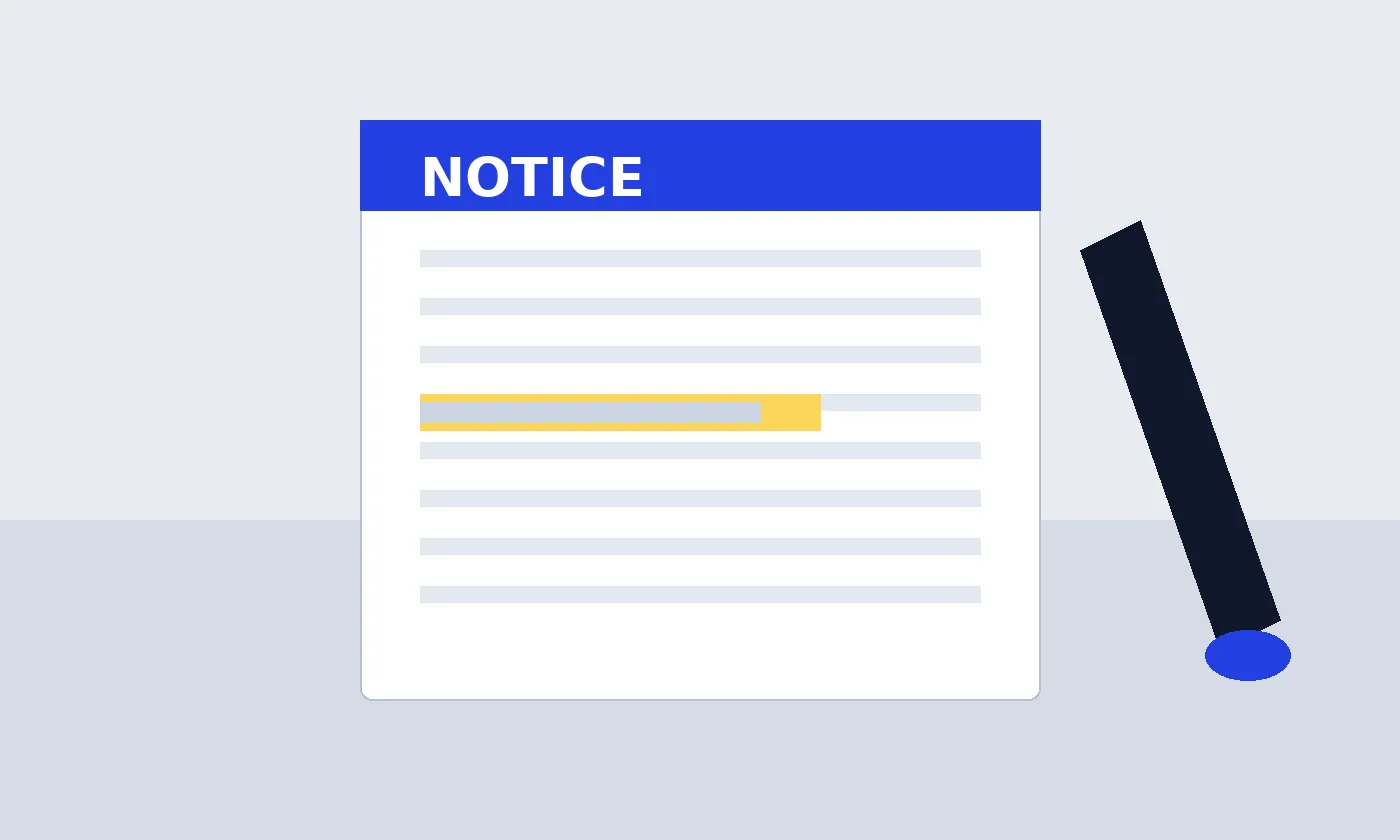
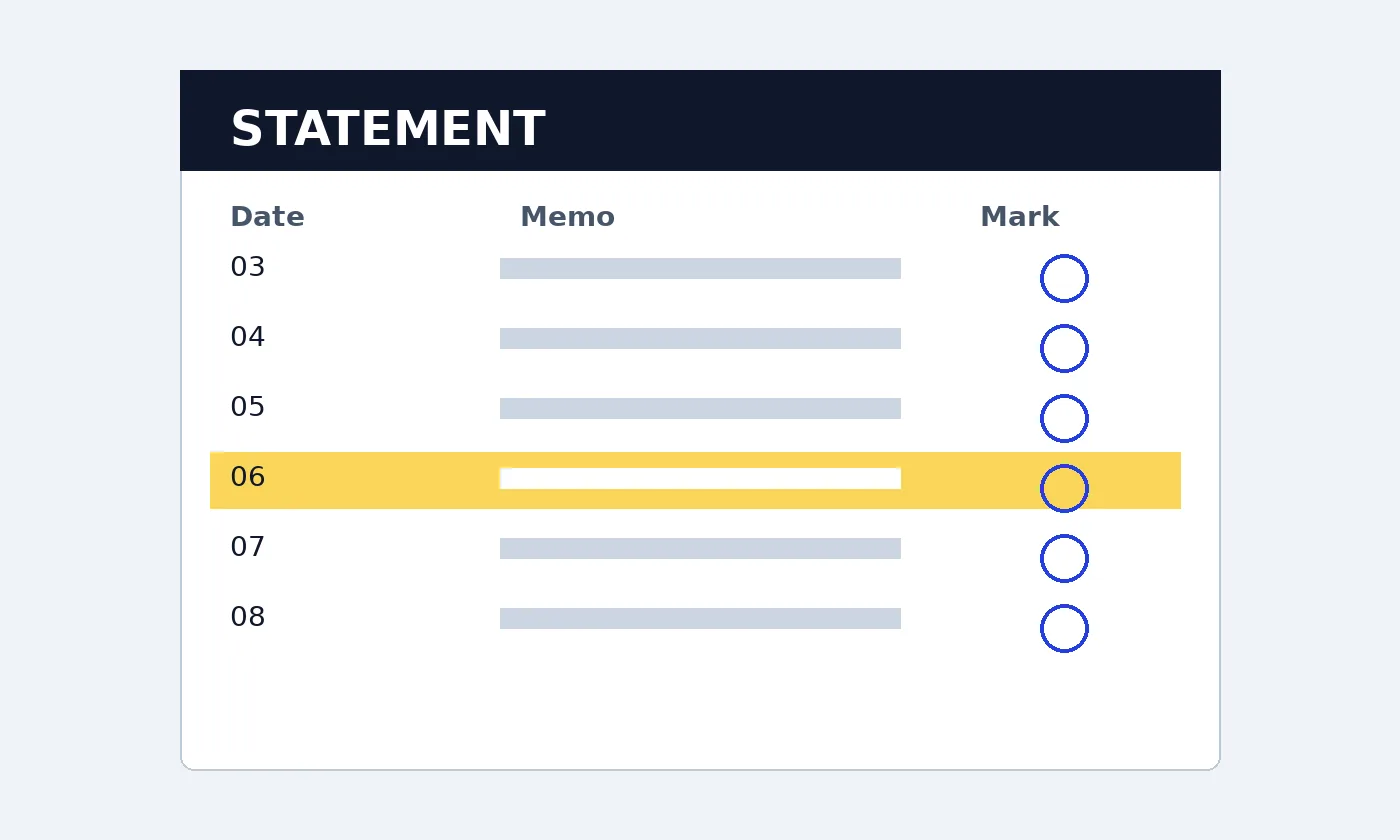
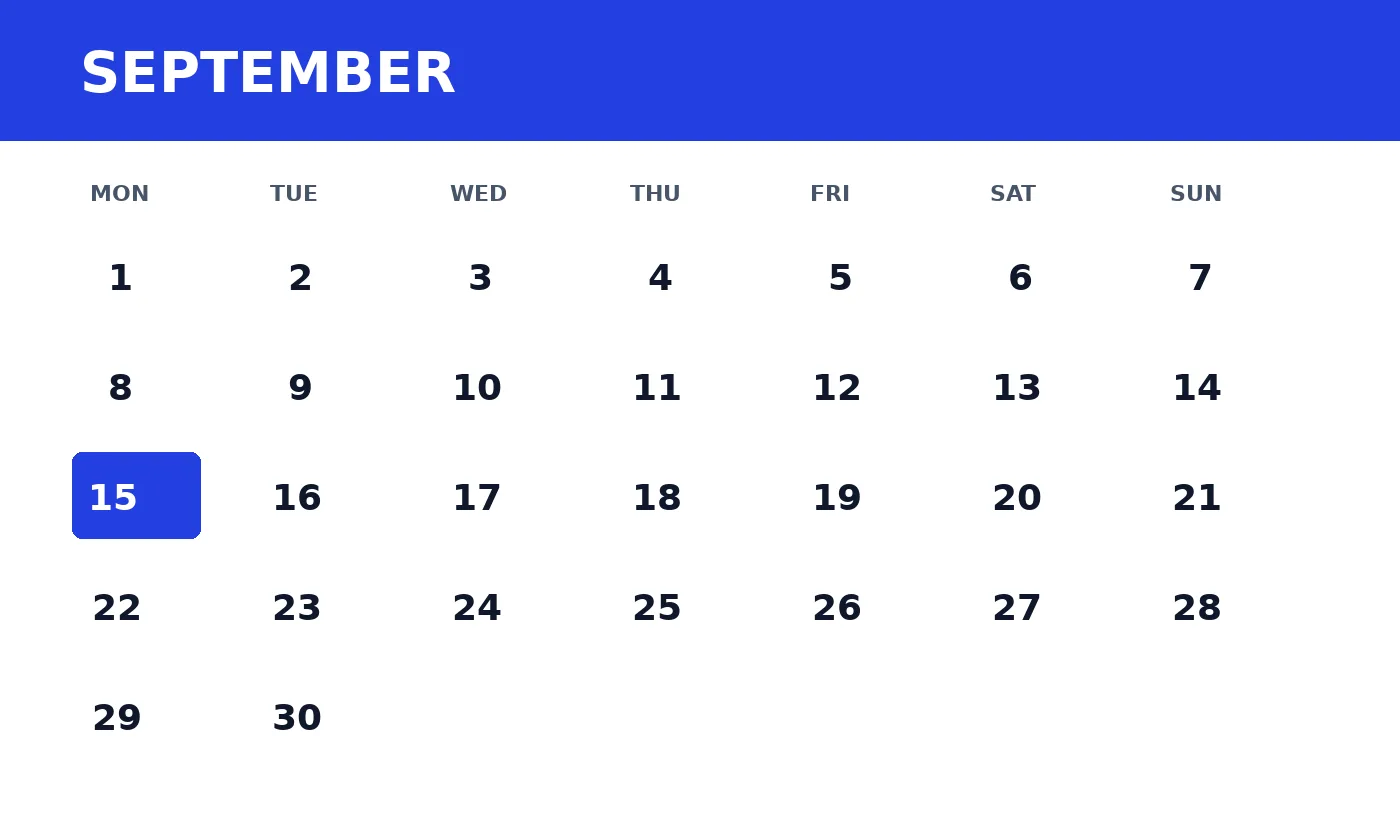
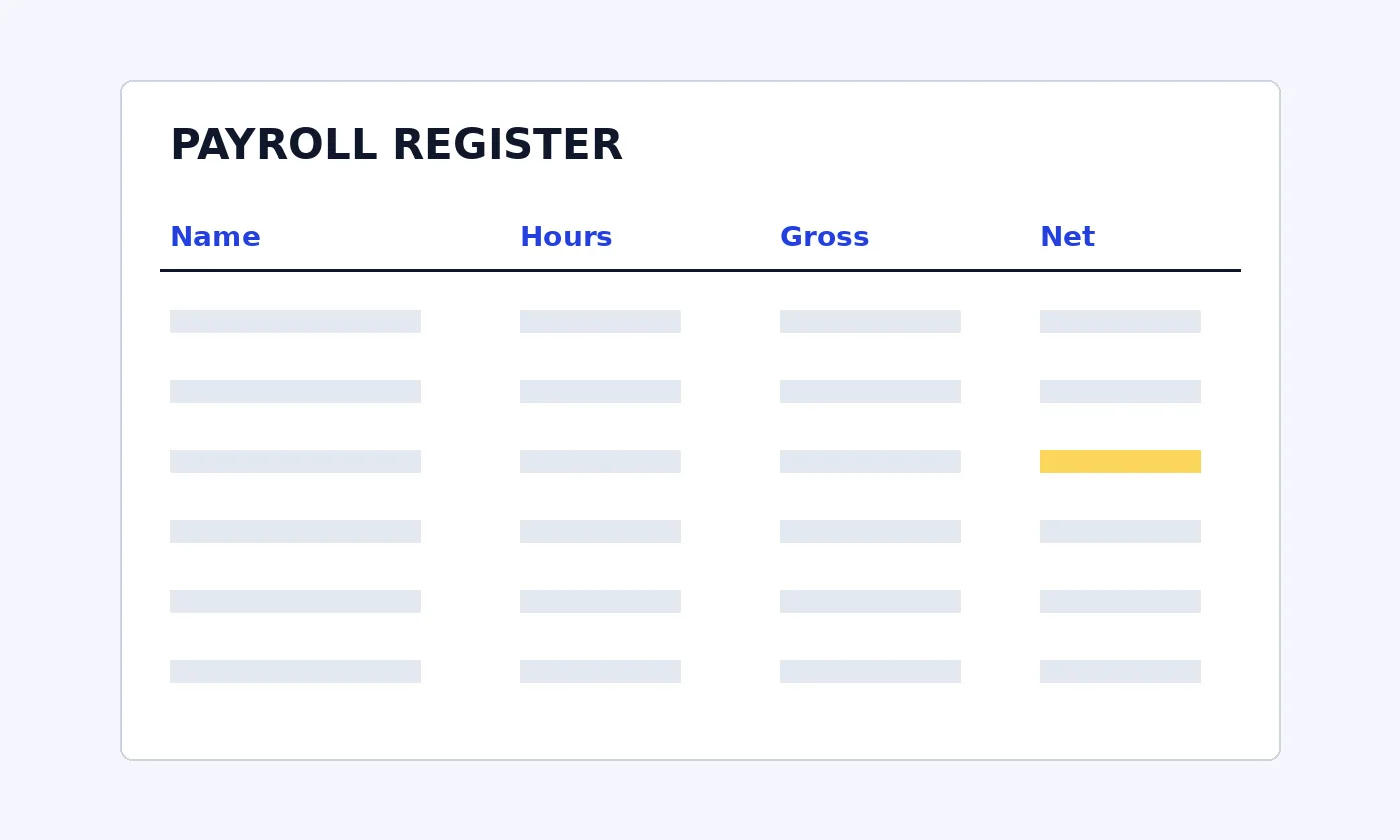
Four taps. A heavy spring and a flat fall, read apart.
A swung year. The channel keeps moving.
Question 1 of 4Tap an answer
The Houston alternative for a swung year is a Tax CFO.
Steven Palmieri works as a Tax CFO. He closes each month with you, sets payday on the provider you keep, and says in the early fall what the year is about to cost. The free call says whether owner pay, a large buy, or the estimates can still move.
You would speak with Steven Palmieri, a Tax CFO, not a CPA firm. If a lender really needs an attest signature, he will say so and will not treat a surprise bill as that signature.
Business CPA Houston AlternativeClose the year before it ends.
Your spring was strong, your fall went flat, and the bill still came in high. We close your books every month and set payroll up beside that close, so the return reflects the year you actually had. Steven Palmieri does that work with you under the Tax CFO title, the name owners use for the Entrepreneur's CFO, and this year can still be changed.
Open a box. A dashed frame marks the signed report this practice refuses.
The open monthStill on the bank.
We begin with the last month your bank agrees with. We match it before that month is called finished.
Payday setupBeside the close.
Your provider account keeps the payday run, and this practice never presses pay on it. Once you approve the hours, we read the journal that provider writes against the month.
The county rowRead the notice.
Harris is the county we opened for the rate check, and Fort Bend and Montgomery print a different mix. Your notice wins over the city name on the sign.
The statementsAfter the match.
Once the month matches the bank, you get statements and a report in plain words. An odd line becomes the question we ask before the return is prepared.
The returnFrom closed months.
The return waits until the bank has signed off on the months we will use. Owner pay and a large buy can still move while the year is open.
A signed reportNot signed here.
The empty box is the signed report. If a contract asks for a signature on the statements, that signature is not one we give. The signature limit is written in full on the disclosures page and nowhere else on this site.
The Entrepreneur's CFO. We keep the books for an owner whose year did not repeat.
Name the open year.
Write the year that is still open and we start the reading from that year. The practice that reads it with you is in Dallas.
You will be talking to the Steven Palmieri practice.
What we actually close
We keep the books through the month the bank already shows. We match each account to the bank statement before anyone treats that month as closed. The statements come with a report written in ordinary words, and the account names stay stable so this year can sit beside the last one.
Your payday company stays the one you picked. The hours leave that company only after your own sign-off. After that company posts, we read the journal it wrote. We do not run payday itself, and we do not take the tax you collected and treat it as profit.
We build the return only after the bank has signed off on those months. An open month is finished first. Then the year can be prepared. This page will not tell you the bill gets smaller, and it will not promise money back.
The choices that close in September
Owner pay and a large buy are still movable while the year is open. In September those choices are still on the table. In January the return is a record of choices that already happened.
A heavy year with the estimates left on the quiet year is how a good year produces a bigger bill. We would rather name that while the year is open than explain it when the bill arrives. Catch-up on the books can name the lines. It cannot reopen a year that has ended.
If you want the three choices as they sat in your own file, send the year. We will say what was still movable and what was already spent.
A reconciliation is the quiet part. The bank, the loan, and the cards have to land on the same month before a report goes out. We do not hand you a total and ask you to trust it. We show the match. If a line is still open, the report says so in plain words.
We clean the books until the month you already trust is the month the bank shows. Then we close the month that is in front of us. After that we prepare the return and look at the choices that are still open before the year ends. Those jobs sit together for an owner whose year did not repeat.
We name the open month before we name the year, and that month is the one still waiting on the bank. A deposit that landed after the cutoff stays in the later month. A bill you paid early stays in the month the bank shows. Moving either one to make the year look smoother is how a later bill surprises you.
Payroll setup lives beside the close, and the hours stay yours to approve. Once payday has posted, we read that journal the same way we read the bank. A category that changed during the year gets a note so next year can still be set beside this one. We do not invent money back, and we do not treat sales tax you collected as money the business earned.
What the file still has to name
Every Texan can appreciate a day in Hermann Park. The zoo, the outdoor theatre, and the natural science museum sit on the park's south edge, beside the museums. We enjoy that day the same way you do, and we still ask which month those ticket sales were collected.
The livestock show and rodeo runs in March. We can all appreciate that show. We still want the weekend deposits to land in the month the bank already shows, not in the month the poster used.
Hobby is the older commercial airport, a short hop from the middle of the city. Texans who take that short hop already know how long the drive runs. We still ask which month the card was charged, because the books follow the bank rather than the boarding pass.
Storm season on the Gulf runs from the start of June until the end of November. Every Texan on the coast knows the week after a storm. We are all Texans. Dallas holds the practice, and a video call is how the year for owners in Houston gets read. The papers from that week still decide a rental year, and we will not guess a settlement that never arrived.
What a signed report is not
Some requests ask for a signature on the statements. That signature is not something this practice gives. The one place that limit is written is the disclosures page. We say so at the start. A firm that holds the license is where that signature has to go.
Everything except that signature can be read on this page. The tie to the bank, where the billings stand, and the months that are actually closed are the work we do. Sorting the filings, keeping the books, and preparing the return sit on this side of that line.
Rentals and a swung year
A property year turns on three papers. The list of what you own, the settlement statement, and the invoices. A repair and an improvement are not the same, and an insurance check has to be split across them. We do not guess a storm year that arrives with no settlement statement.
A strong spring averaged into a flat fall is a shape, not a person. The spring page leaves every dollar amount blank on purpose. If your year has that shape, the reading is about which months were still movable before the average became the estimate.